With growing pressure on traditional farming incomes and rising demand for rural escapes, holiday letting on farms offers a practical and rewarding opportunity.
Farm diversification in South Wales is becoming an increasingly popular way for farmers to future-proof their business, generate reliable income, and make the most of existing land and buildings. Our parent company, Sykes Cottages, reported that in 2024, farm stays were among the top-performing accommodation types in the sector, earning an average of £29,800.
From barn conversions to glamping pods, farm stays in South Wales are in high demand, and with the right support, they can work alongside farming rather than replacing it.
Carry on reading for our guide to farm diversification in South Wales…
Why Farm Diversification is Growing in South Wales
Across South Wales, farms are facing a combination of financial pressure and opportunity. Reductions and restructuring of farming grants and agricultural support schemes have encouraged many farmers to explore alternative income streams that can sit comfortably alongside livestock and crop production.
Tourism, however, is moving in the opposite direction. Rural and coastal tourism has seen sustained growth, with visitors increasingly choosing:
- Short breaks over long holidays
- UK destinations over overseas travel
- Rural locations over busy resorts
Counties such as Pembrokeshire, Carmarthenshire and the Gower Peninsula consistently attract walkers, surfers, families and dog owners – all looking for high-quality rural accommodation. What looks like just a field to you could become someone’s magical countryside escape.
At Coast & Country Holidays, we work with farm owners at every stage of the diversification journey, from early feasibility conversations through to full holiday cottage management.
If you’re still weighing up whether holiday letting is right for your farm, our guide Are Holiday Lets in Wales a Good Investment? is a helpful place to start.
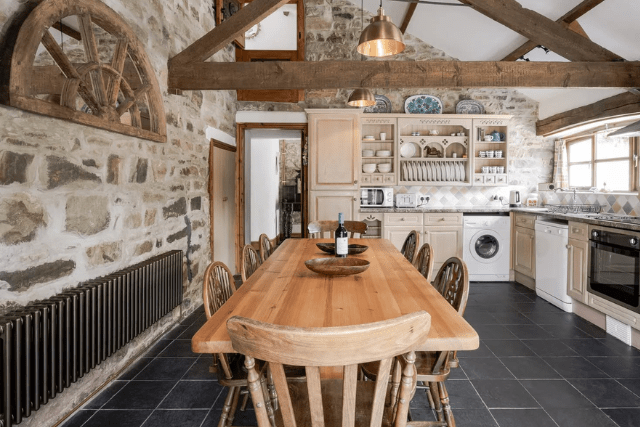
Coach House, Llangrannog (Ref. 1173707)
What is Farm Diversification?
Farm diversification is the process of developing additional income streams that complement traditional farming. Rather than relying solely on agricultural output, a diversified farm spreads financial risk and creates more stable, year-round income.
Common farm diversification options include:
- Holiday letting on farms
- Farm holiday cottages
- Glamping and alternative accommodation
- Farm shops and cafés
- Experiences such as tours, workshops or retreats
Among these, holiday letting stands out for its scalability, flexibility and long-term earning potential — particularly when using existing buildings or underutilised land.
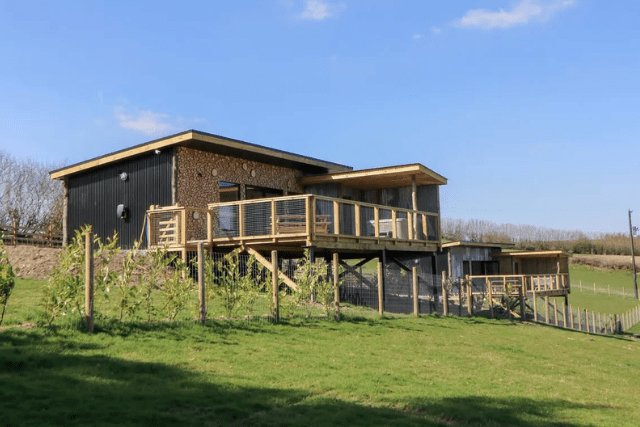
Llety Cariad, Llandrindod Wells (Ref. 1114639)
Why Holiday Letting Works so Well for Farms in South Wales
Location Advantage
South Wales farms often benefit from:
- Wide open landscapes
- Proximity to national parks and coastal paths
- Low light pollution (ideal for dark skies stays)
These natural assets cost nothing to create, yet significantly increase the appeal of rural tourism in South Wales.
Our helpful blog The 7 Best Places for Holiday Letting in West and South Wales explore where demand is strongest across the region.
Guest Demand for Farm Stays
Modern holidaymakers are drawn to:
- Peace and privacy
- Space for children and dogs
- Real countryside settings
- Accommodation with character
This makes holiday letting on farms particularly appealing to families, walkers, cyclists and remote workers.
Year-Round Earning Potential
Unlike purely seasonal tourism, farm stays attract bookings throughout the year:
- Spring and autumn walking holidays
- Summer family breaks
- Winter cosy escapes and festive stays
Well-managed farm holiday lets can achieve strong occupancy outside peak months.
Options for Turning Your Farm Into a Holiday Let Business
Each type of accommodation offers something slightly different, so it’s worth thinking carefully about what your site is best suited to and the kind of guests you’d like to attract. For example, glamping pods are ideal for couples looking for a walking break, while safari tents are great for families thanks to their extra space and comfort.
Even farm stays must meet certain standards, A Comprehensive Guide to Holiday Let Regulations in Wales explains what applies in your region.
Converting Barns & Old Outbuildings
Many farms already have traditional stone barns or outbuildings that are no longer used for agriculture. These buildings are often ideal candidates to convert farm buildings to holiday lets.
Converting barns is, of course, a bigger financial investment, but these options typically have a longer lifespan, giving you more time to recoup your costs.
Successful barn conversions typically include:
- Open-plan kitchen, dining and living areas
- One to three bedrooms (the most in-demand size)
- En-suite bathrooms
- Private outdoor seating areas
Preserving original features such as beams, stone walls and high ceilings adds charm and authenticity – key selling points when marketing farm holiday cottages.
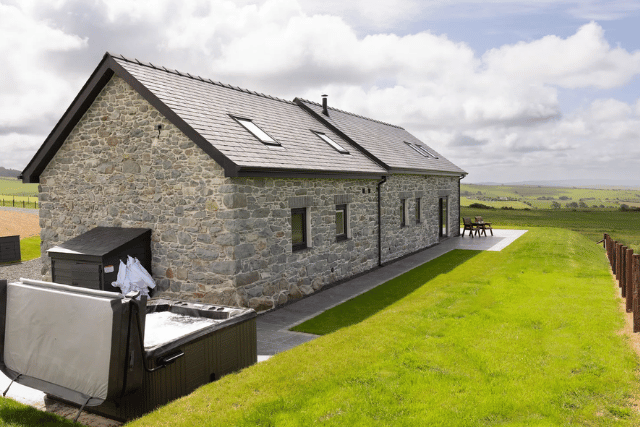
Golygfa Cwrt, Bow Street, Wales, Mid Wales (Ref. 1170635)
Glamping & Alternative Accommodation
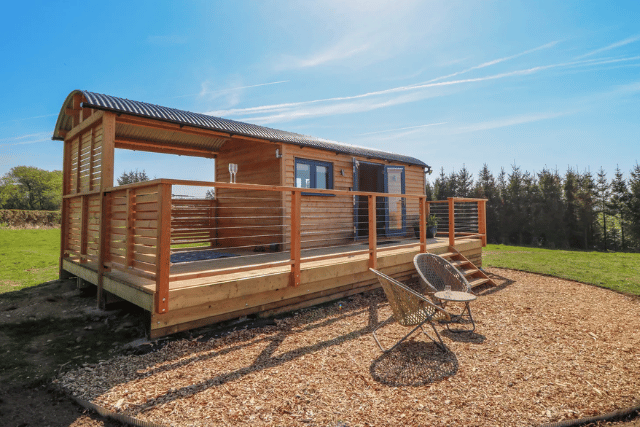
For farms with limited buildings or those wanting a lower-cost entry point, glamping in South Wales offers an attractive option.
Popular choices include:
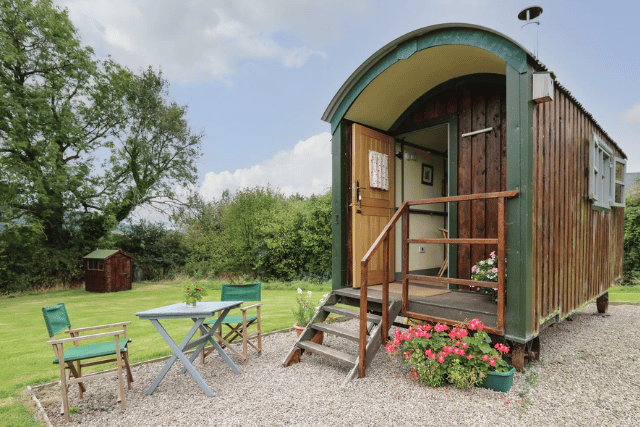
- Shepherd huts
- Timber cabins
- Eco pods
These work particularly well for:
- Couples and short breaks
- Smaller plots of land
- Testing the holiday let market before committing to larger conversions
Glamping also aligns well with agritourism in Wales, appealing to guests looking for something a little different.
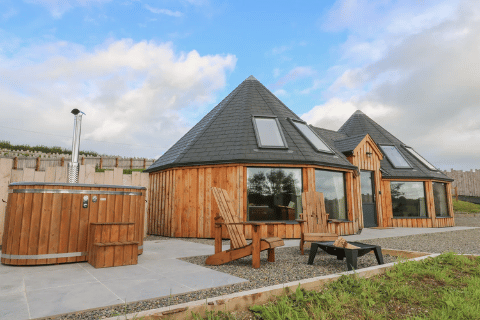
TOP TIP: We find that the more unique the accommodation, the better. Think about unusual shapes, which direction the best views face, balconies, and standout features like hot tubs before you start building. See below…
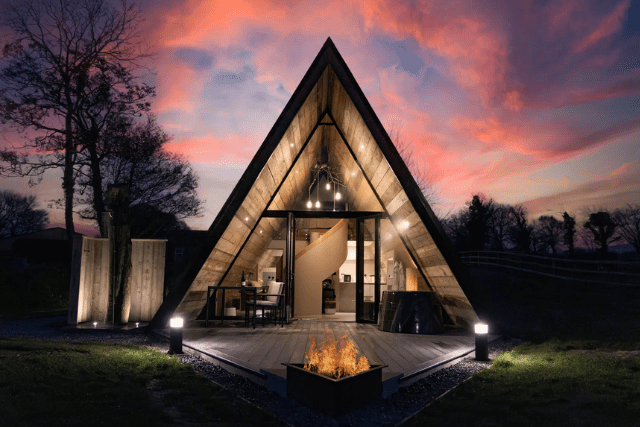
The Tri-Pod, Pantcefn (Ref. 1143630)
Traditional Farmhouses & Annexes
Larger farms may have:
- An unused farmhouse
- A self-contained annexe
- A converted wing
These properties are ideal for families and groups, offering space, privacy and flexibility — while allowing farming operations to continue uninterrupted.
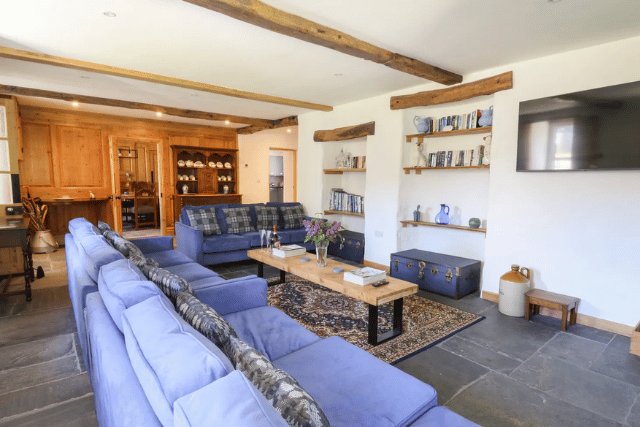
Glanduad Fawr, Newport (Ref. 1144820)
Costs, Grants & Planning Permission in Wales
Understanding the Costs
Costs vary depending on:
- Building condition
- Level of conversion required
- Quality of finish
Many farmers phase projects over time, reinvesting holiday let income into further development.
Planning Permission
In Wales, most conversions of agricultural buildings require:
- Planning permission or prior approval
- Consideration of access, parking and drainage
- Compliance with local authority policies
Planning permission requirements vary depending on the type of accommodation you plan to offer.
Because regulations can vary between local authorities, it’s always best to seek professional advice. Specialist rural land agents such as Watts & Morgan can help you understand the rules in your area and guide you through the process.
Head to our helpful guide, Planning Permission for Holiday Lets in Wales for more information.
Grants & Funding
There are periodic Welsh Government grants and rural development funding opportunities aimed at:
- Farm diversification
- Rural tourism
- Sustainable development
Eligibility and availability change, so professional advice is recommended.
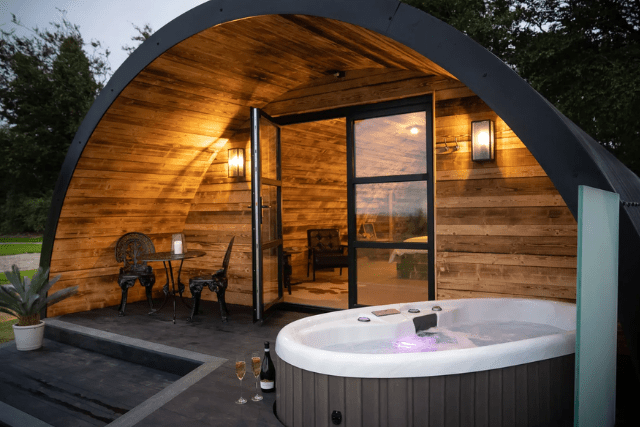
Top Tips for Creating a Successful Farm Holiday Let
With over 30 years of holiday let experience, we have compiled a list of our top tips for those thinking about farm diversification in South Wales. For more tips and tricks, make sure to read our Guide to Running a Successful Holiday Let Business in Wales.
Make the most of your location
Your setting is one of your biggest selling points. Incorporate large windows, balconies and outdoor seating, and make sure your photography truly captures the views and surroundings.

Ensure easy access for guests
Clear signage, straightforward arrival instructions and convenient parking all help create a stress-free first impression.
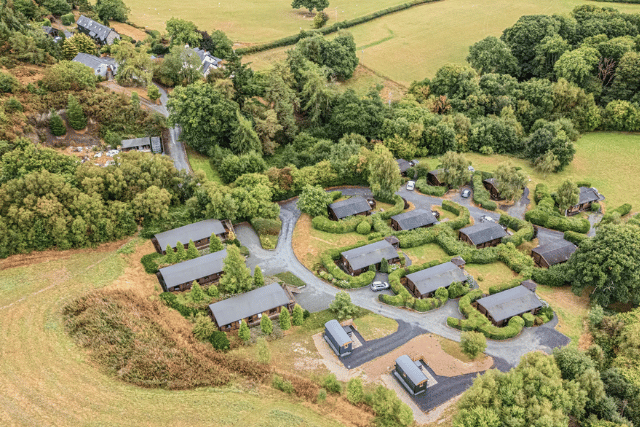
Offer practical storage
Secure storage for bikes, wetsuits, walking boots and outdoor gear is a big plus for active guests and families.
Consider going pet-friendly
Pet-friendly properties consistently outperform non-pet-friendly ones. If you have livestock, make sure there’s a safely enclosed outdoor area for dogs.
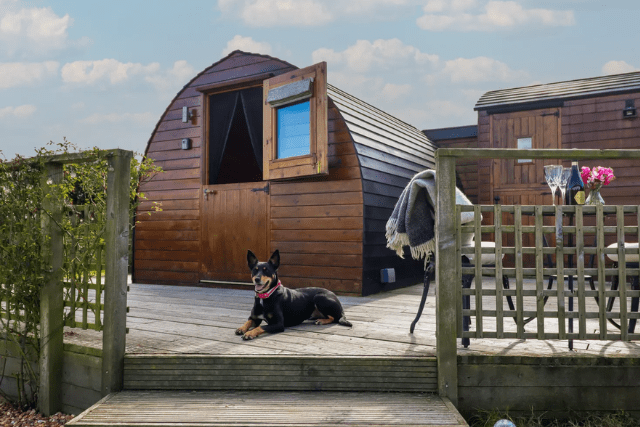
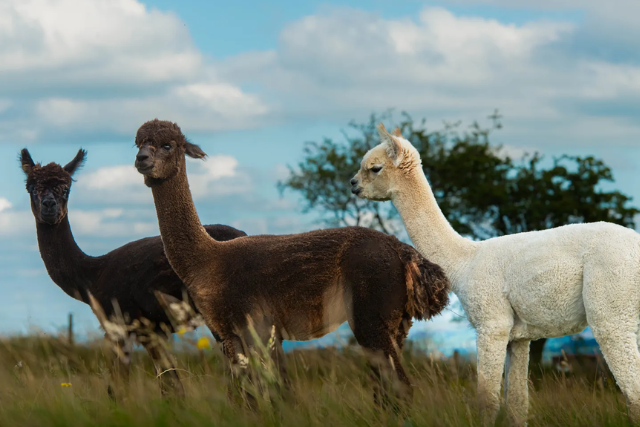
Embrace simple farm experiences
Small touches like egg collecting or lamb viewing can make a stay feel truly special. Lean into what makes your farm unique – authenticity really does sell.
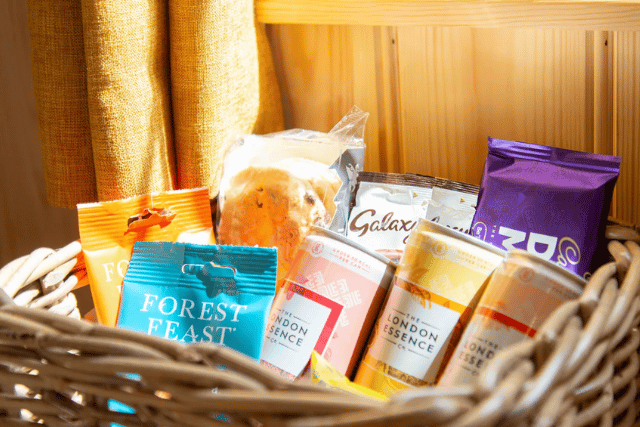
Add thoughtful extras
Welcome hampers with local produce or farm-grown items are a lovely touch that guests remember, and often mention in reviews.
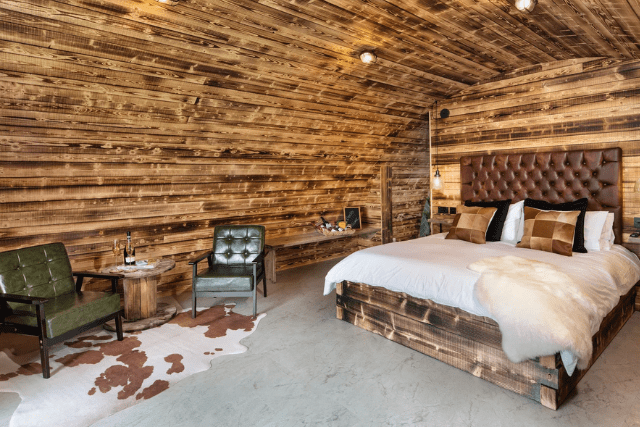
Style with character and heritage in mind
Celebrate the story of the building. Framed photos of the farm or barn conversion, or even sheepskin rugs from your own flock, help retain character while giving the space a fresh, high-quality finish.
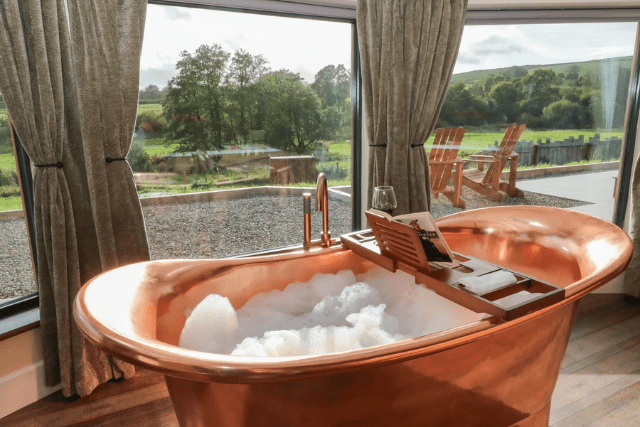
Include standout features guests love
Hot tubs, baths, underfloor heating, pizza ovens, fire pits and well-designed outdoor areas all help your property stand out. Reliable WiFi is also essential, unless you’re intentionally marketing the stay as a digital detox. Head to our blog How To Make Your Holiday Let Stand Out From the Crowd for more helpful tips.
Build sustainability in from the start
Many guests choose farm stays and glamping for environmental reasons. Around 22% of our owners have already made sustainable upgrades, such as wood burners with log supplies, EV charging points, energy-efficient appliances and smart heating systems. Demand for EV chargers is growing fast, with around 260 Google searches per month.
Be flexible with short breaks
Farm diversification accommodation often attracts shorter stays, so it’s vital to offer them. Last year, 55% of our bookings were short breaks. Unique stays like huts and yurts are often better suited to 3–4 night breaks rather than full weeks.
Successful Examples of Farm Diversification
Maes Celt/Roundhouse Retreats
Maes Celt – Roundhouse Retreats is a standout example of farm diversification into holiday letting, showing how unique accommodation can create a successful rural tourism business. Located near Lampeter in Ceredigion, West Wales, the owners have created three Celtic-inspired roundhouses, all designed specifically for couples seeking peaceful farm stays in Wales.
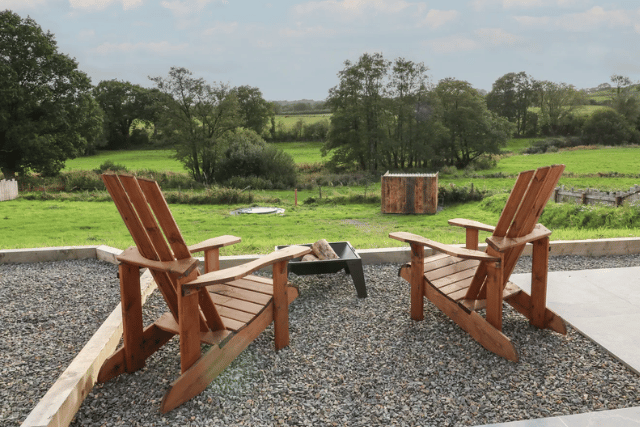
By embracing the farm’s landscape and heritage, Maes Celt offers experience-led accommodation with features proven to attract bookings, including wood-fired hot tubs, freestanding baths and private outdoor spaces. It’s a great example of how converting land into holiday accommodation can deliver a distinctive, high-performing farm diversification project.
Ty Crwn – The Roundhouse Near Lampeter (Ref. 1136441)
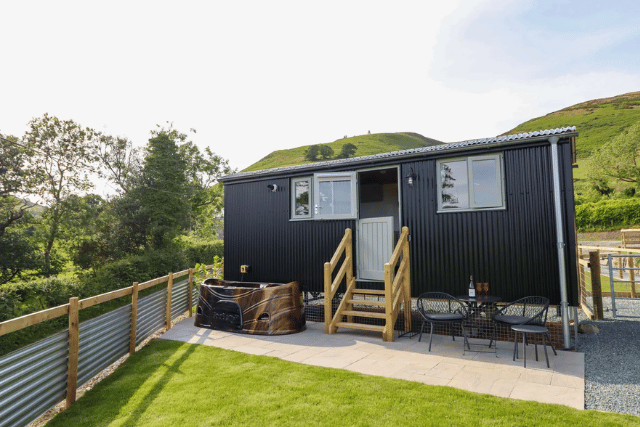
The Plas Moelfre Hall Shepherds Huts
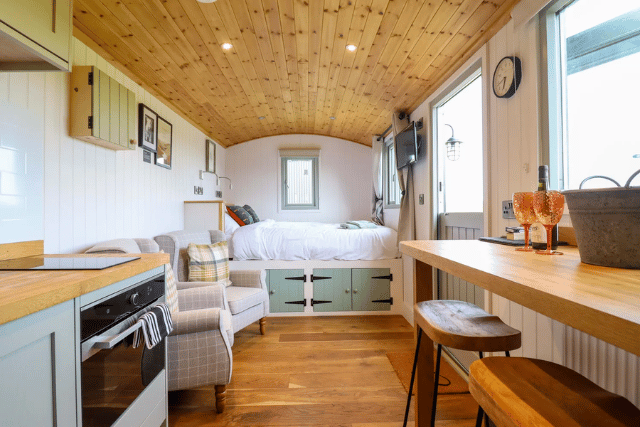
Plas Moelfre Hall Shepherds Huts is a strong example of farm diversification into holiday letting in Wales. Located in Moelfre, Powys, this small collection of three shepherds huts on a working farm offers pet-friendly accommodation with countryside views, enclosed gardens and private hot tubs.
Guests can explore 250 acres of farmland, enjoy walks up the farm’s private mountain, or visit nearby attractions such as Llyn Moelfre and historic Sycharth. Designed for couples, families and small groups, Plas Moelfre Hall shows how glamping accommodation on farms can successfully combine rural experiences with modern comforts to create a high-performing holiday let.
Charollais, Moelfre (Ref. 1177801)
Llanfair Caereinion Huts
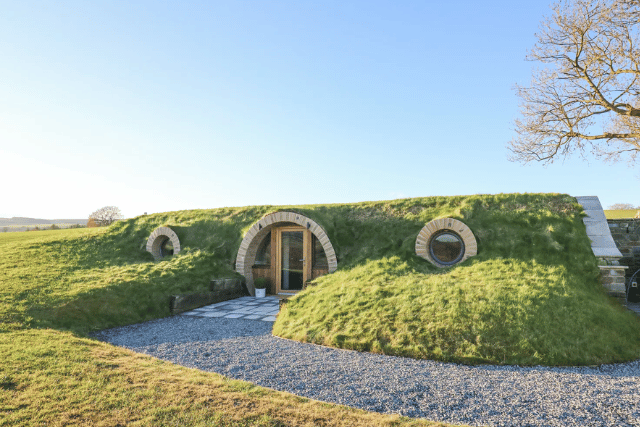
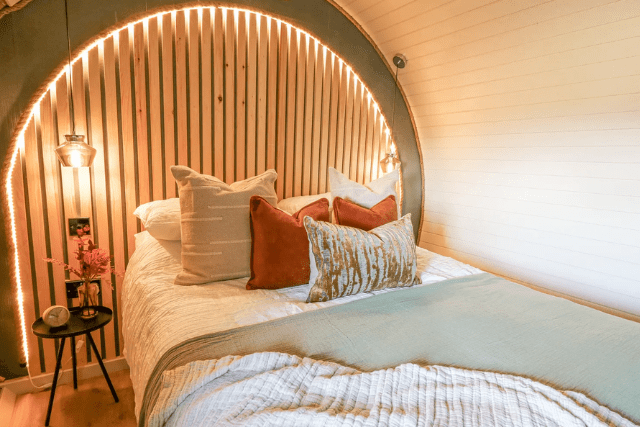
The Llanfair Caereinion Huts are another great example of unique farm diversification in Wales. Set in Llanfair Caereinion, Powys, this pair of quirky countryside huts are nestled into grassy mounds and surrounded by rolling hills, offering a peaceful rural retreat.
Each hut features stylish open-plan living, private outdoor space and hot tubs — the kind of unique, experience-led features that drive bookings. With easy access to local walking routes, these huts show how small-scale glamping on farmland can successfully attract couples and friends looking for distinctive countryside escapes.
Tan y Wawr- Onnen, Llanfair Caereinion (Ref. 1115032)
Work With an Experienced Holiday Letting Agency
An agency with farm and rural tourism experience can handle pricing, marketing and guest communication — helping you maximise bookings while saving you time and stress.
At Coast & Country Holidays, we understand the realities of farming and rural property ownership in South Wales.
We offer:
- Free, no-obligation advice on farm diversification in Mid, South and West Wales
- Honest earning potential assessments
- Full holiday cottage management or marketing-only services
- Local knowledge of pricing, demand and guest expectations
Whether you’re converting a single barn or developing a multi-unit farm stay, our team can guide you every step of the way.
Get in touch with Coast & Country Holidays by today to explore how your farm could succeed in holiday letting.
Farm Diversification Frequently Asked Questions
Do I need planning permission to convert a barn to a holiday let?
In most cases, yes. Requirements vary by location, so always check locally.
How much can a farm holiday let earn in South Wales?
Earnings depend on location, size and quality, but rural holiday cottages can deliver strong, consistent income.
Are glamping pods profitable?
Yes — they offer lower setup costs and strong demand, particularly for short breaks.
Can I run a holiday let alongside farming?
Many farmers do. With the right support, holiday letting integrates well with farm operations.
What features do guests value most in a farm stay?
Peace, views, outdoor space, pet-friendly policies and authentic farm experiences.
Do I have to manage everything myself?
No. Full management services can handle bookings, cleaning, maintenance and guest communication.
What rules or regulations do I need to follow?
Health & safety, fire safety, insurance, planning conditions and short-term rental regulations.
How long does it take to convert a farm building into a holiday let?
It depends on planning, building condition, and size of the project. Barn conversions typically take several months; glamping pods can be operational in weeks.
Can I start small and scale up later?
Yes. Many farmers begin with one property or a few glamping units and expand as demand grows.
Is Farm Diversification Right For Me?
Farm diversification through holiday letting offers South Wales farmers a sustainable way to strengthen income, protect the future of their land and share rural life with visitors.
With expert guidance, realistic planning and the right marketing partner, your farm could become a thriving rural tourism destination.
As soon as you have received planning permission, a Property Consultant from our team can come and give you some practical advice, completely free of charge.
For more information about Farm Diversification, complete the form below to request contact from our team and to download our helpful guide.
